Jump to the top
Crescent Lodge Dental Practice Clapham

Composite Bonding London

Composite Bonding in South London

At Crescent Lodge Dental Practice on Clapham Common, our cosmetic dentists use composite bonding to repair chips, close gaps, and refine the shape of natural teeth, often in just one appointment. 

If you are looking for composite bonding, London residents can consider this more conservative cosmetic dental treatment, which works with your natural teeth to create a natural-looking smile you can be proud of. 

Whether you have a single chipped tooth or would like a wider smile makeover, our highly skilled dental team will start with a consultation so you know what bonding can achieve and whether you are eligible. 

Book Appointment
What is Composite Bonding?

Composite bonding, also known as cosmetic bonding or dental bonding, is a minimally invasive dental procedure that involves applying a thin layer of tooth-coloured resin material to the front or edges of a tooth. The resin is colour-matched to your natural teeth, then carefully sculpted by hand, before being hardened with a special curing light to keep it in place.

Because the composite material bonds directly to your tooth enamel, composite dental bonding requires minimal alteration or removal of your natural tooth structure. This means there is usually no drilling, no injections, and where no prep is needed, it can be completely non-invasive.

This makes it a much gentler alternative to crowns, which rely on removing a large amount of the tooth’s structure to ensure coverage and adhesion.

What Can Composite Bonding Treat?

Composite bonding is a minor cosmetic dentistry treatment designed to rectify minor cosmetic issues and dental imperfections, including:

  • Chips, cracks and broken teeth
  • Small gaps
  • Worn teeth
  • Teeth that are misshapen or uneven in length
  • Stubborn stains that are resistant to teeth whitening
  • Exposed roots at the gumline that feel sensitive

Composite edge bonding focuses on the biting edges of the teeth, particularly at the front. Edge bonding is popular with patients looking to repair chips or worn edges without covering the whole tooth.

While it can be a possibility for some patients, not all misalignment or crooked teeth can be corrected with composite bonding. If not, Invisalign might be recommended as an alternative treatment pathway.

Composite Bonding vs Porcelain Veneers

While both treatments can change the appearance of your smile, they don’t suit all patients. Composite bonding is minimally invasive and builds up your natural teeth in layers, making it more affordable and easier to repair as needed.

Porcelain veneers are stronger, will last longer and will improve the appearance of the whole tooth, making its more invasive preparation worthwhile.

Composite veneers sit somewhere between the two, offering the same structure as porcelain veneers, with a reduced price for a larger change than bonding can offer.

The Composite Bonding Process

Generally non-invasive and straightforward, composite bonding can be completed in just one visit if you don’t need too many teeth treated.

1. Initial consultations

Every patient needs a consultation before composite bonding to ensure they are eligible candidates and that it is the right treatment type for their teeth.

During this consultation, your dentist will examine your teeth and gums and let you know if you need any treatment beforehand. This could be to rectify decay or gum disease, or to whiten your other teeth so they blend in once the resin is applied.

2. Preparing the tooth’s surface

Unlike with veneers, tooth prep for bonding is kept to a minimum. The front of the tooth will be cleaned and gently roughened so the resin has a surface to grip.

It isn’t often needed, but if there are deeper chips to be repaired, your dentist may offer you a local anaesthetic first.

3. Sculpting, curing and polishing

Once the tooth has been prepared, your dentist will build the resin materials in thin layers, shaping each to create the desired form and a natural-looking smile that suits your face. As they work, each layer will be set with a blue light to keep it in place for as long as possible.

Once the desired look has been achieved, the resin is polished so it shines like natural enamel, blending in with your surrounding teeth.

How Long Does Composite Bonding Last?

With proper care and maintenance, composite bonding can last between 5 and 10 years. Factors that can affect the lifespan of your bonding include:

  • Enjoying staining food or drink regularly or smoking
  • Regularly eating very hard foods, like ice or brittle
  • Using the teeth as tools

If they are damaged, composite bonding can be repaired or replaced as needed.

How to Care For Bonded Teeth

After composite bonding treatment, you’ll be given thorough aftercare instructions to follow to keep your bonding looking good for as long as possible. Tips include:

  • Brush twice a day and clean between the teeth with floss or interdental brushes
  • Avoid biting very hard things
  • Cut down on staining food and rinse the mouth with water afterwards
  • Wear a night guard if you grind your teeth
  • Visit us regularly for check-ups and hygiene appointments

How Much Does Composite Bonding Cost in London?

At Crescent Lodge, bonding is priced per tooth, and you can view our full price list on our fees page.

The cost of composite bonding will depend on how many teeth need to be treated, how much resin is needed and if you need any further treatments, for example, whitening or braces.

After each consultation, your dentist will give you a written estimate so you know exactly what composite bonding will cost. If you choose to, you can use our interest-free credit or Crescent Lodge SmilePlan to pay.

Why Choose Us For Cosmetic Dentistry?

At Crescent Lodge Dental Practice, our experienced team provides everyday and cosmetic dental care at our surgery in Clapham Common. This includes providing composite bonding for London patients from Clapham, Balham, Brixton, Stockwell, and beyond.

You can also expect:

  • Highly skilled and experienced dentists, familiar with the latest techniques and resin materials
  • A calm, friendly team that will help with nervous patients
  • Clear, written treatment plans
  • Transparent fees
  • A choice of appointment options

Ready to start your new smile journey? Contact our highly skilled and friendly team today.

Before & After Gallery

Before
After

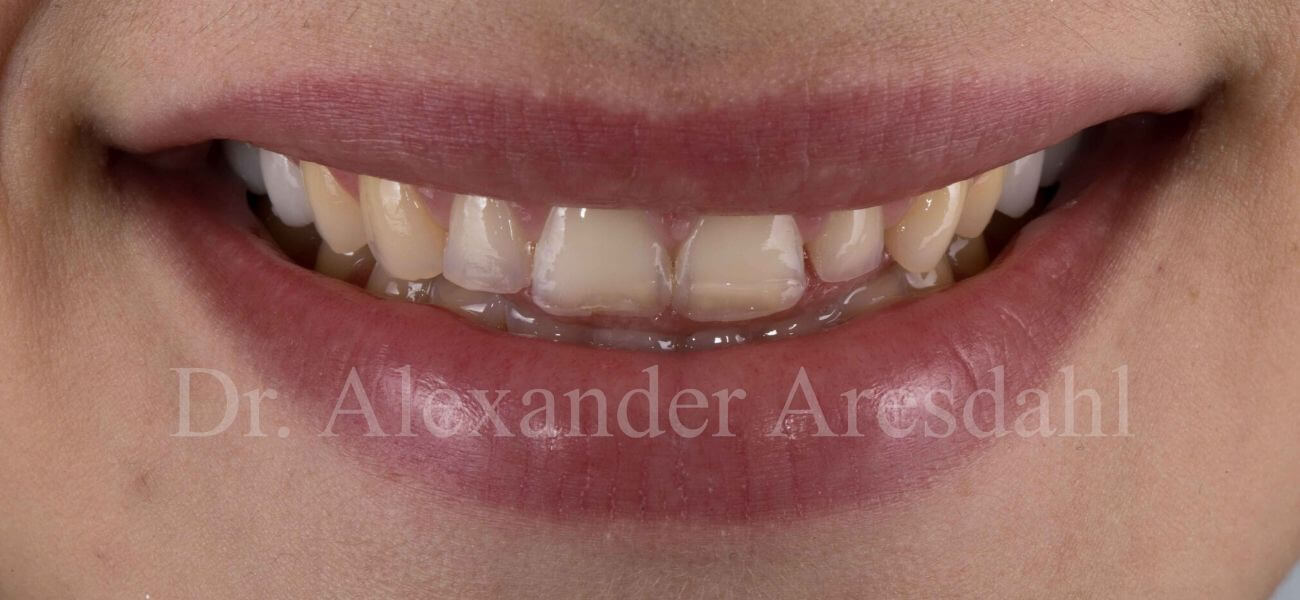
Patient with enamel erosion, fractured front teeth and sensitive teeth. Treated with 4 porcelain crowns and 6 porcelain veneers in the upper arch (treatment took 3 visits).

Before
After

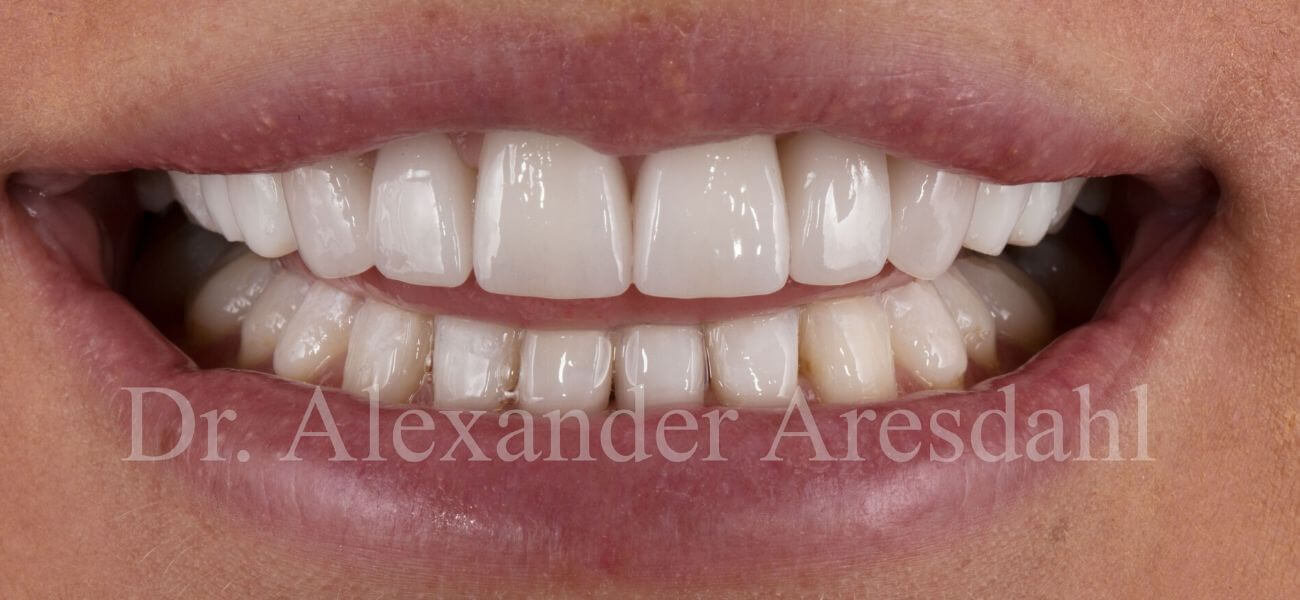
Patient with enamel erosion, fractured front teeth and discoloured fillings. Treated with deep clean, teeth whitening and 10 porcelain crowns in the upper arch (treatment took 4 visits).
Before
After

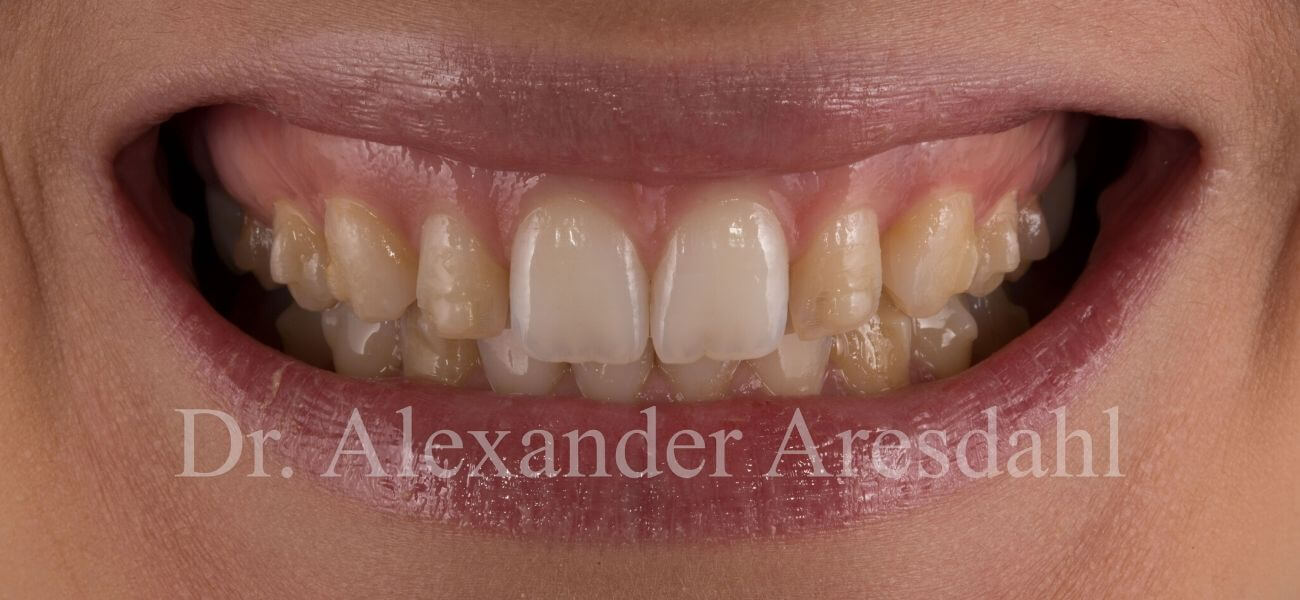
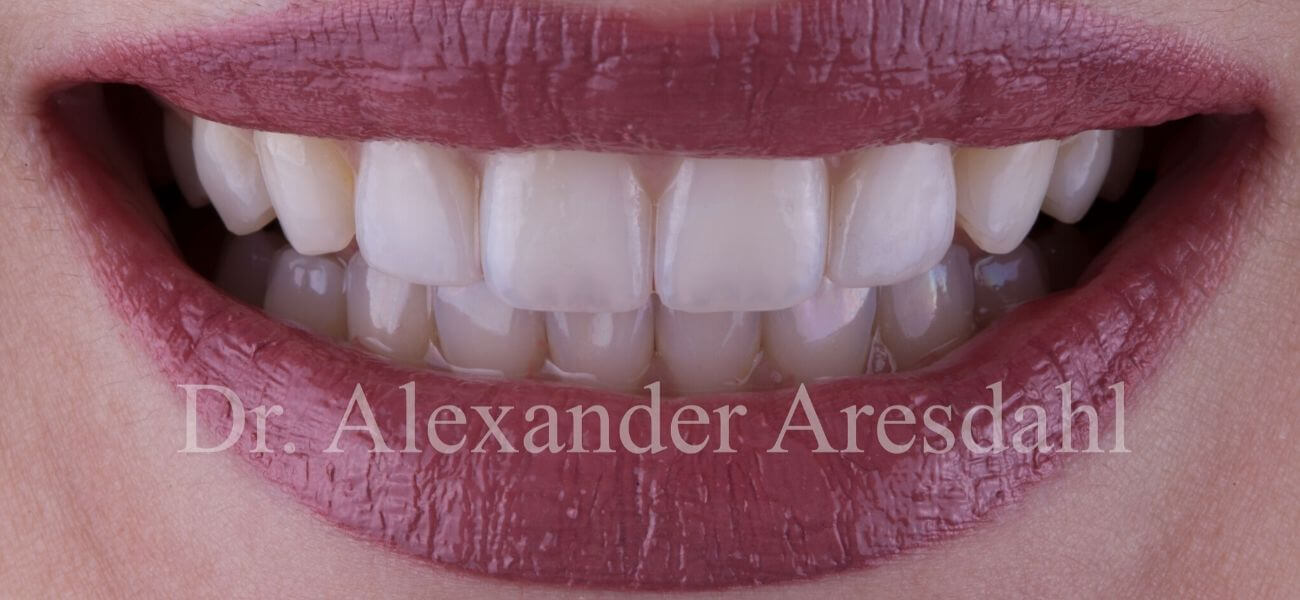
Patient with spacing between teeth. Treated first with Invisalign for 8 months, then teeth whitening, 2 porcelain veneers in the upper arch (laterals) and lip fillers for lip symmetry (treatment took 3 visits).
Before
After

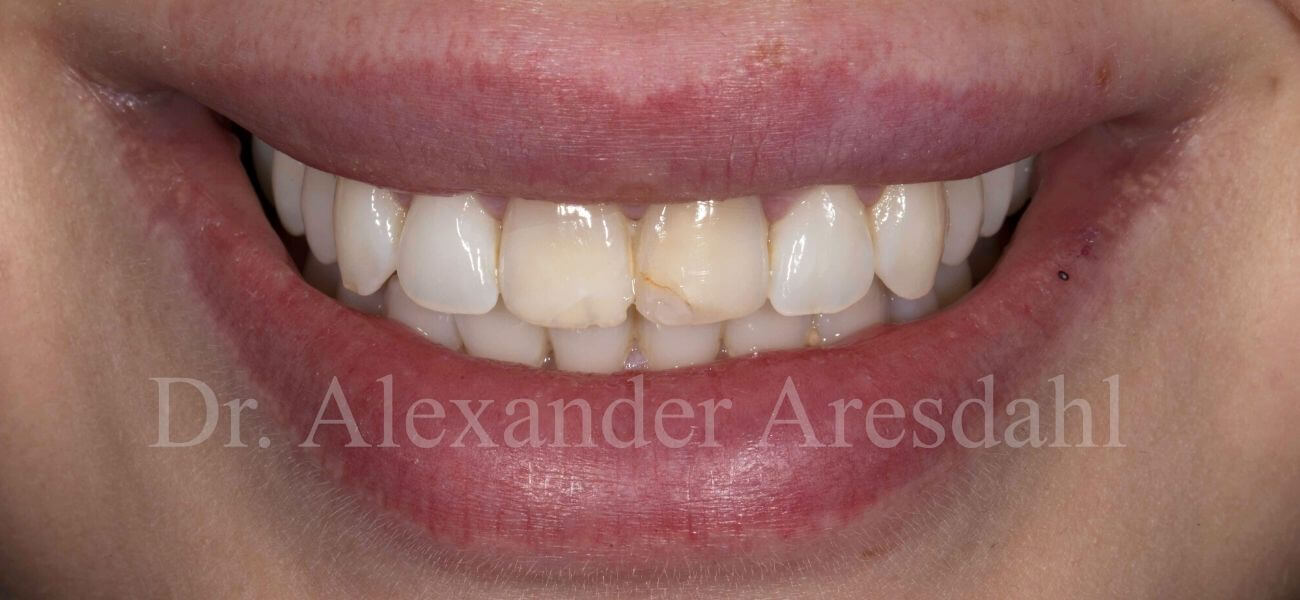
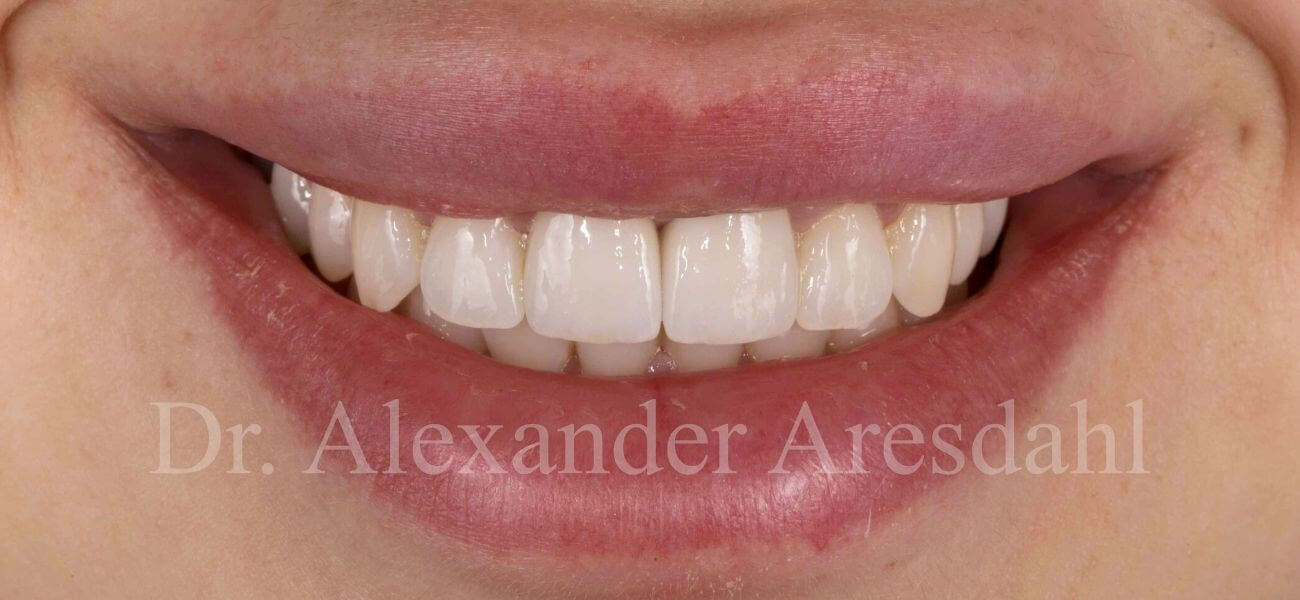
Patient with discoloured upper front teeth with visible fractures. Treated with 2 porcelain crowns on upper front teeth for symmetry in shape and colour (treatment took 4 visits).
Before
After

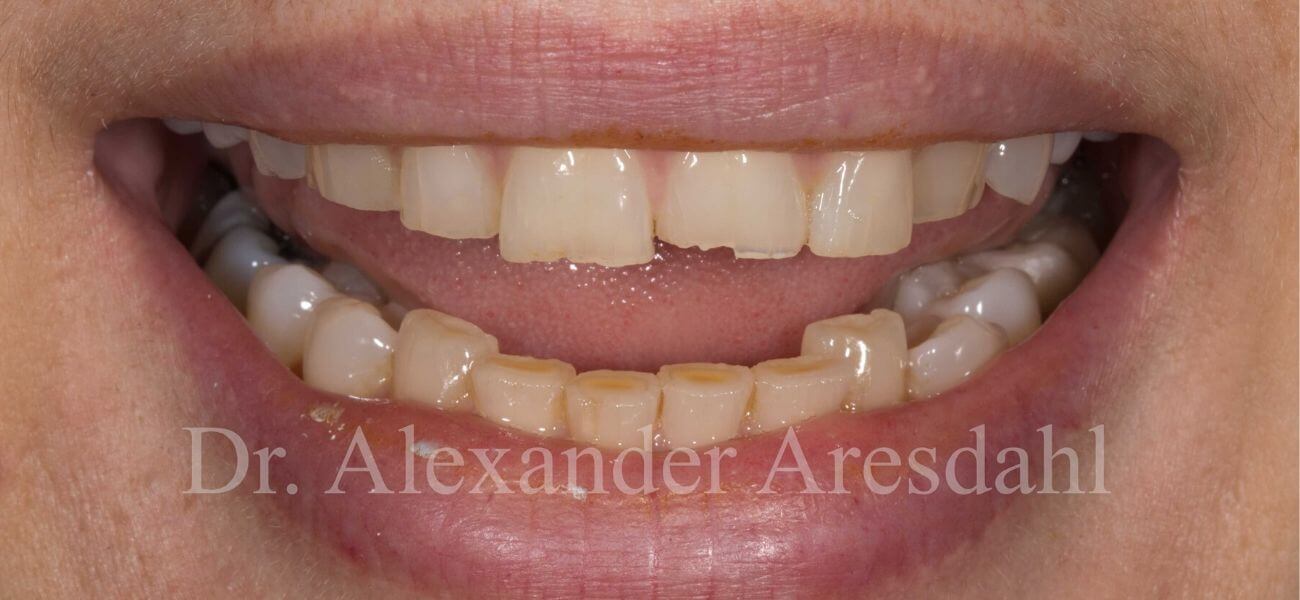
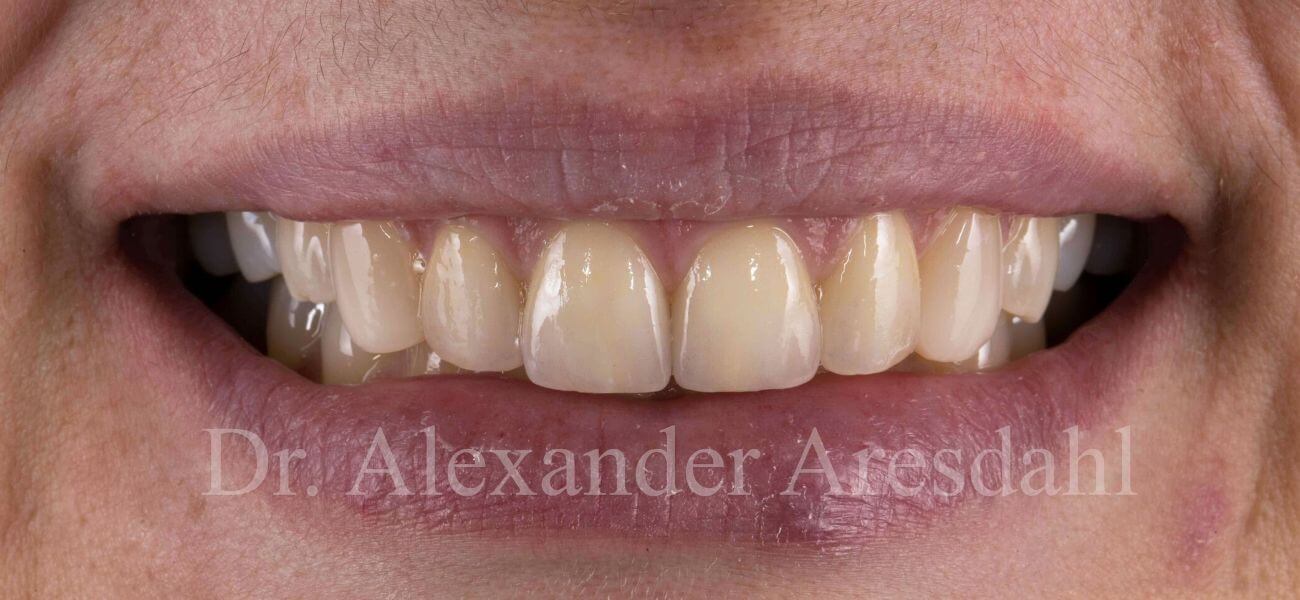
Patient with fractured discoloured front teeth. Treated with 4 porcelain veneers and 2 composite veneers in the upper arch (treatment took 3 visits).

Frequently Asked Questions

It is possible to get composite bonding on as many teeth as needed, so unless you are told otherwise at your consultation, this shouldn’t be an issue.

It is worth noting that composite bonding is charged per tooth and multiplied by the number of teeth treated. For this reason, always ask for an itemised quote or ask about alternative treatments that might be more economical if you need so many teeth treated.

The NHS offers dental treatment strictly based on what is functional and necessary, so any treatments considered cosmetic aren’t covered, including composite bonding.

For example, the NHS treatment bands will cover treating or removing teeth that are broken or decayed, but addressing shape changes and discolouration is considered cosmetic, so this wouldn’t be funded. If you are unsure, it’s best to ask at your consultation.

Book your appointment

Contact the team today

* These fields are required


    YesNo
    See our privacy policy