
Periodontist Clapham, London

Your dental health can act as a beacon for any underlying overall health problems you may have. That’s why it’s so important to have regular periodontal checks to assess the state of all the supporting structures and tissues surrounding your teeth: the gums, root surface, jawbone, and the joints between the teeth and bone.
Periodontal appointments differ from hygiene appointments in that the treatments given do not solely deal with keeping the teeth clean and healthy. Periodontists will treat advanced gum disease and its symptoms at a deeper level. If you’re struggling to prevent gum disease under control, or you’ve been referred by your regular dentist, a periodontist can provide relief and remedying actions.
Book Appointment
“Very good service and friendly staff from the receptionist to the dentist all lovely people.”
Scroll here to read more.
“I am very happy with the professionalism, kindness and welcome. Prices clear and no surprises, very honest. Hussain Rashid is a very good dentist. Thank you very much.”
“Always friendly and efficient – very professional in every way.”
“Always the best treatment and fantastic staff.”
“Always great service, always running on time and good value too.”
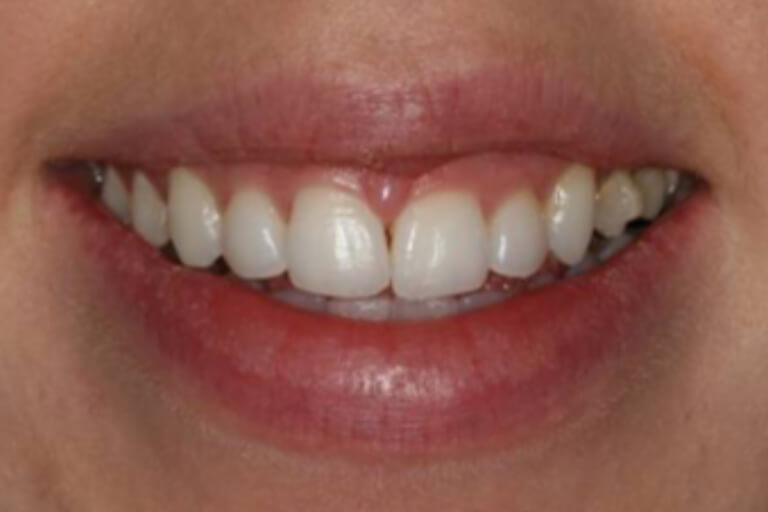 Before
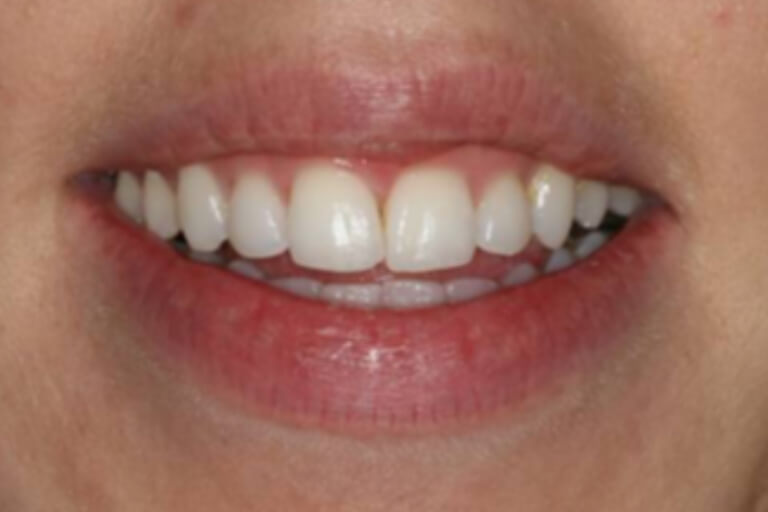 After
AfterSmile enhancement after removal of soft tissue lump, case by Dr Stella Kourkouta.
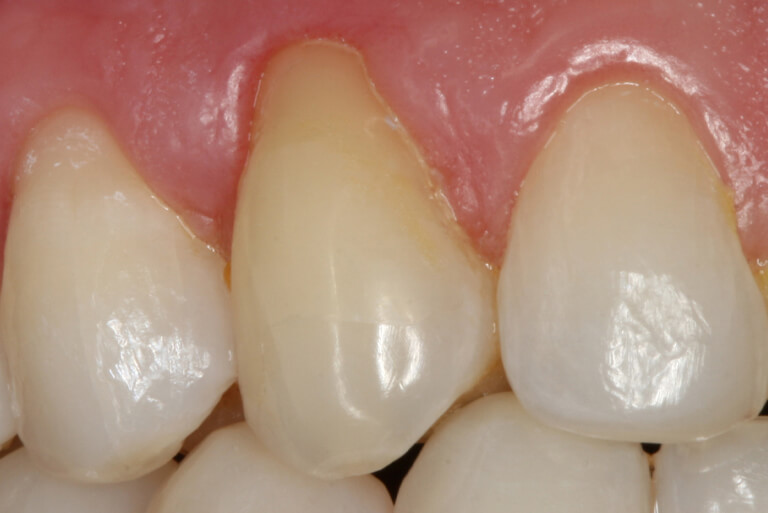 Before
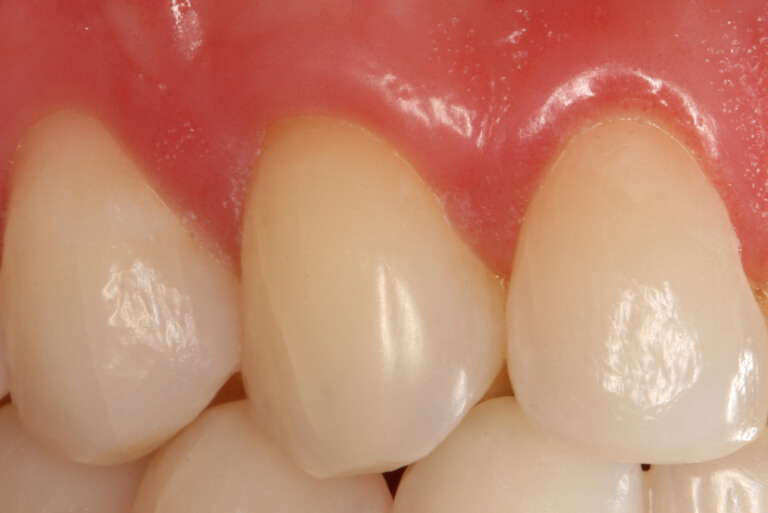 After
AfterRoot coverage of upper canine, case by Dr Stella Kourkouta
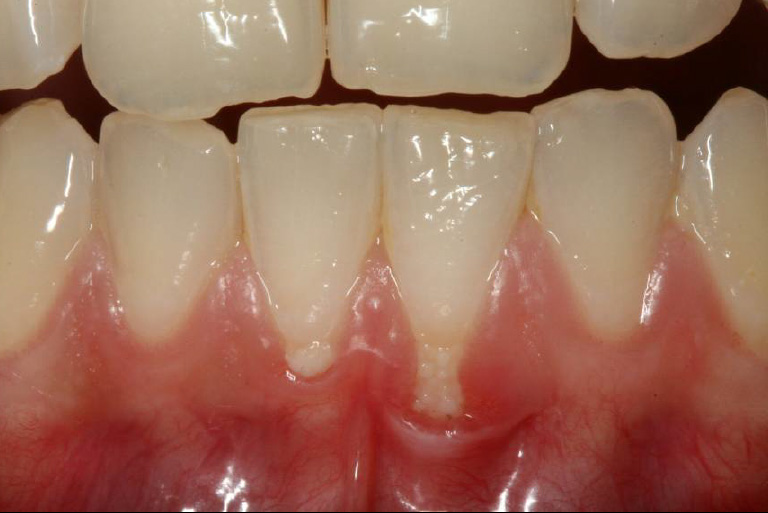 Before
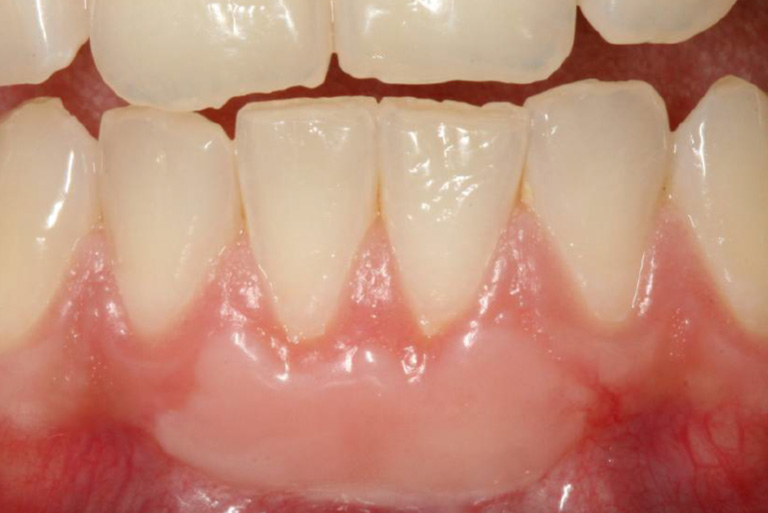 After
AfterRoot coverage of lower central incisors, case by Dr Stella Kourkouta
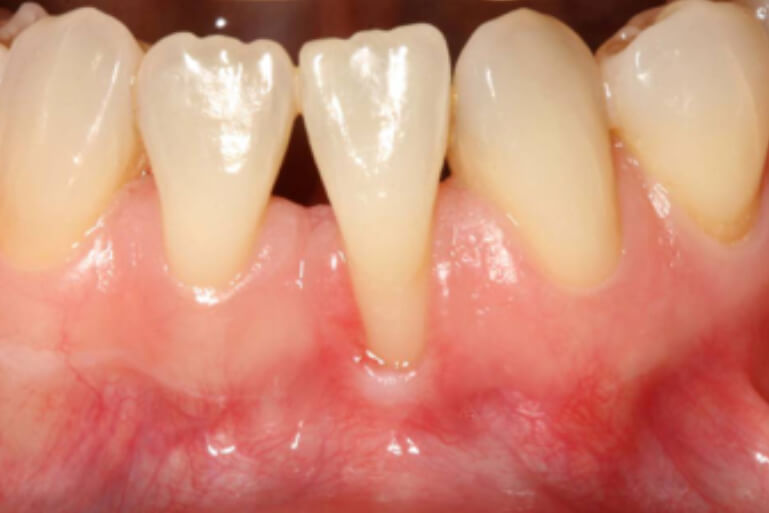 Before
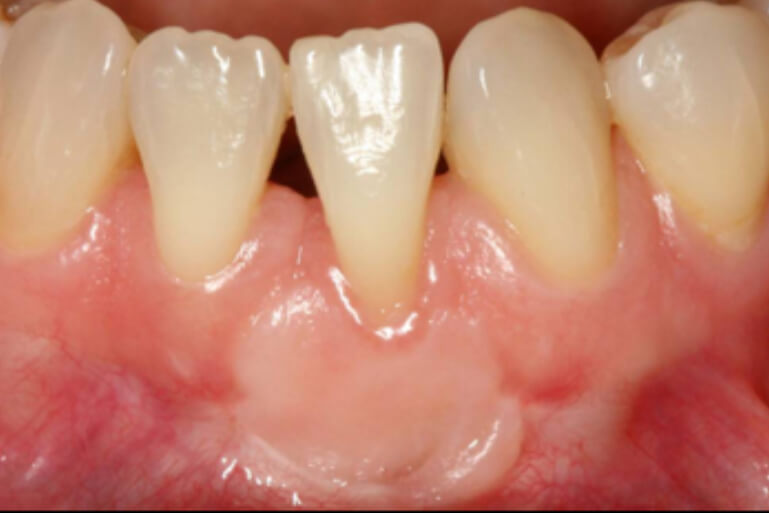 After
AfterGingival (gum) augmentation of a lower incisor, case by Dr Stella Kourkouta
It’s important to be aware of a deterioration in your periodontal health. Stress, a lack of care, and dental neglect have occurred widely in the UK in recent months, and this has likely led to an increase nationally in unstable gums.
When left untreated, gum disease can have very serious and far-reaching consequences on your smile. It has been connected to heart disease and strokes. It has been proven that keeping on top of your oral health can prevent deeper health issues, so we highly recommend maintaining regular preventative periodontal check-ups.
Periodontitis is a gum infection with serious consequences. It is the result of untreated gum disease and can have a catastrophic effect on your gums and bone, as well as your overall health. A periodontist will treat gum disease and keep it under control.
Appointments with the hygienist are designed with your tooth health in mind. Periodontal check-ups will ensure your healthy gums, supporting tissues, and bones.
Treatment options can include deep cleaning, bone grafting, root planing, and the removal and recontouring of soft tissue with oral surgery.
The symptoms of periodontitis include gum inflammation, bleeding gums, an unpleasant taste in your mouth, or bad breath, tooth loss, and gum abscesses.
A specialist periodontist can treat periodontal disease when it’s in its advanced stages. Your regular dentist will refer you to a periodontist if you have advanced gum disease.
* These fields are required